Most of us expect water to be one of the simplest things in the house. Turn the tap, fill a glass, wash the dishes, get on with the day. It’s only when something feels different that we start paying attention. Maybe white marks keep returning around the bathroom faucet, the kettle develops a layer of scale, or the water has an odd taste that makes you reach for a bottle instead.
These problems can be annoying, but they don’t always mean the same thing. Hardness, sediment, chlorine taste, and specific contaminants each call for a different response. Before investing in equipment, it’s worth finding out what’s actually happening. A little patience at the beginning can save money and prevent the familiar frustration of buying something that doesn’t quite solve the problem.
Start With the Water, Not the Sales Pitch
Water quality varies between homes, sometimes even within the same neighborhood. Municipal supplies are generally treated and monitored, while private wells depend on local geology, surrounding land use, and well maintenance. Household plumbing can also influence the water that eventually reaches the tap.
Pay attention to the signs you notice. White deposits on showerheads may point toward hard water, while orange stains can sometimes be associated with iron. An unusual odor or taste may have several possible causes. These clues are useful, but they aren’t a reliable substitute for testing, particularly when a health-related contaminant is a concern.
The most practical approach to water treatment solutions is to begin with a clear understanding of the problem. If hardness is the main issue, a softener might be appropriate. If sediment is collecting in fixtures, a suitable filter may help. If testing identifies a particular contaminant, the equipment needs to be designed and verified to reduce that substance.
It sounds obvious, yet this is where many homeowners go wrong. They choose a product because it has impressive specifications or because a neighbor recommended it. What worked in one home may not work in another.
Why Water Testing Is Worth the Effort
A water test provides a more reliable starting point than appearance, taste, or guesswork. Depending on the source and the concerns involved, testing may examine hardness, pH, iron, manganese, dissolved solids, bacteria, or other substances.
For municipal water customers, reviewing the local supplier’s water-quality report is a useful first step. Private well owners generally need a testing schedule suited to local conditions and possible risks. If you suspect lead, bacteria, nitrates, or another health-related contaminant, use an appropriate testing method and consider a certified laboratory.
Not every test measures everything. A simple hardness check can confirm mineral-related concerns, but it cannot establish that water is free from every contaminant. If a provider offers a free introductory test, ask exactly what it includes and whether the results will be supplied in writing.
Once you have the findings, ask someone qualified to explain them. You should understand what was measured, whether any result needs attention, and what options are available. A good assessment informs your decision instead of making you feel pressured to purchase equipment immediately.
When Hard Water Becomes a Household Headache
Hard water contains higher levels of calcium and magnesium. These minerals occur naturally in many water sources, and while they’re not generally considered harmful at common household levels, they can create practical problems.
Scale may collect around faucets, shower screens, and the heating elements of appliances. Soap may not lather as easily, and glassware can develop spots after washing. You might find yourself cleaning the same surfaces repeatedly, wondering why they never seem to stay clean for long.
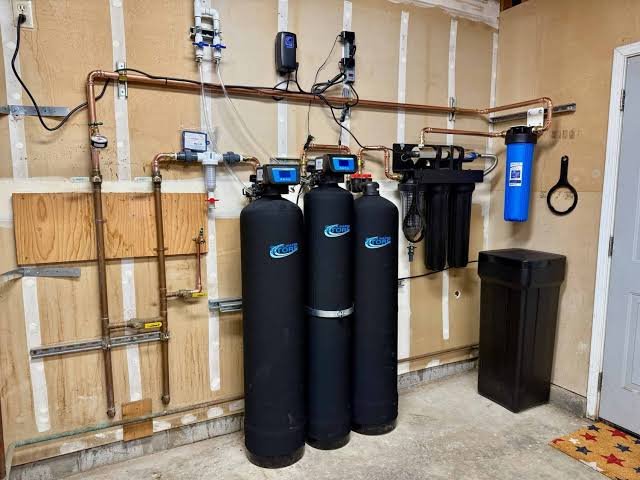
In these situations, water softeners can help reduce hardness through an ion-exchange process. Conventional salt-based models exchange calcium and magnesium ions for other ions, commonly sodium. This can limit scale formation and make soap more effective during washing.
However, softening isn’t the same as purification. A softener is primarily intended to address hardness, not bacteria or every dissolved contaminant. Some households may need additional treatment for drinking water, depending on their test results. Proper sizing matters as well; a unit should match the home’s water hardness and expected demand rather than simply being the largest available model.
What Whole-Home Filtration Can Do
Some water concerns affect more than the kitchen tap. Sediment may appear in several fixtures, or certain characteristics of the incoming water may influence showers, laundry, and appliances throughout the property. In those cases, whole-home filtration may be worth considering.
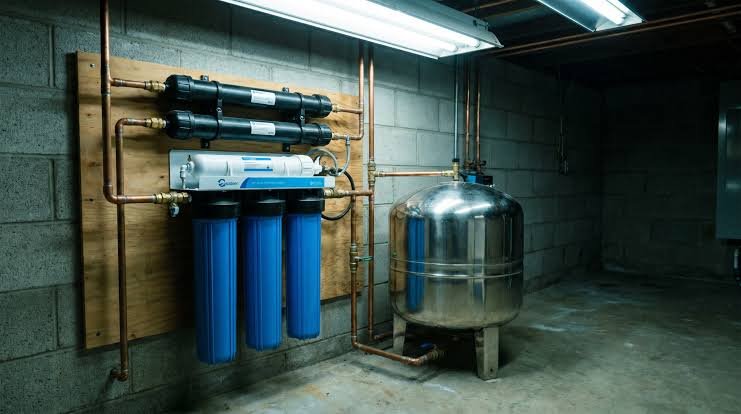
These systems are generally installed where water enters the house, allowing treated water to reach multiple fixtures. Their effectiveness depends on the filter media and the substances being targeted. Sediment filters capture particles, while appropriately selected activated carbon may reduce certain tastes, odors, and compounds.
The important detail is choosing equipment that matches the water analysis. A general-purpose filter shouldn’t be assumed to remove everything, and a carbon filter isn’t automatically a solution for microbiological concerns. If testing identifies a substance that needs to be reduced, check the product’s verified performance claims for that specific contaminant.
Flow rate deserves attention, too. A system that works well for a small household may struggle when several showers, laundry appliances, and kitchen fixtures are used at the same time. Ask about pressure loss, installation requirements, available space, and how easily the filter can be serviced.
Whole-home treatment can be useful, but it’s not necessary for every situation. If the main concern is drinking-water taste at one sink, a point-of-use filter may be a simpler option.
Look Beyond the Initial Price
Equipment cost is only one part of the decision. Installation, replacement cartridges, salt, electricity, water use, and professional servicing can all contribute to the long-term expense.
Before agreeing to a proposal, request a written estimate that explains what’s included. Ask how often components need replacing, whether compatible supplies are readily available, and which maintenance tasks you can safely handle yourself. If the system requires regular service, find out what that involves and how much it may cost.
It’s also worth considering everyday convenience. Will the equipment fit in the available space? Can you reach the filter housing without rearranging half the utility room? Is there enough room for replacement supplies? These details may seem minor, but they’re the things you’ll notice months after installation.
Be cautious of claims that one device can solve every water problem. Reliable recommendations should explain both the benefits and limitations of the proposed system.
Keep Your Water System Working Well
Even suitable equipment needs routine care. Filters eventually reach the end of their useful life, softeners require appropriate regeneration, and reverse osmosis membranes may need replacement. Follow the manufacturer’s maintenance schedule and keep a record of filter changes, service visits, and test results.
If the water develops a new odor, staining returns, or pressure changes unexpectedly, investigate rather than assuming the same old problem has returned. The source water or plumbing conditions may have changed, and further testing could be useful.
For private wells, follow local testing recommendations and arrange additional checks after flooding or repairs. If you suspect contamination, rely on appropriate testing and advice from your water authority or local health department.
Make a Choice That Fits Your Home
Better water doesn’t necessarily require the most expensive equipment or the most complicated setup. It begins with identifying the concern, understanding the test results, and selecting a treatment method that addresses the issue.
Take time to compare options, ask questions, and consider maintenance before making a commitment. The right system should work with your household’s water use, fit your budget, and remain practical to care for over the years.
Water is part of nearly every routine at home. With reliable information and a little ongoing attention, improving its quality can become a sensible household decision rather than another problem on your to-do list.