Water plays a part in almost every corner of daily life. We use it to make coffee before work, wash vegetables for dinner, take a shower after a long day, and keep our homes clean. Because it is such a familiar part of our routine, we tend to assume the water coming from the tap is always suitable for every purpose. Sometimes it is. Other times, a few small signs suggest that something could be improved.
White marks on bathroom fixtures, an unusual smell, cloudy water, or stubborn stains on laundry can all raise questions about water quality. These issues don’t necessarily mean the water is unsafe, but they may indicate minerals, sediment, or other substances that deserve attention. Understanding the cause is the first step toward finding a sensible solution.
What Determines the Quality of Your Water?
Water quality depends on several factors, including its original source, local geology, treatment methods, and the condition of the plumbing it travels through. Municipal water suppliers typically treat and monitor their supplies, while private well owners have greater responsibility for arranging regular testing.
Even when water meets applicable drinking water standards, its characteristics can vary. Some areas have naturally hard water because groundwater passes through mineral-rich rocks. Other locations may experience elevated iron levels, sediment, or naturally occurring substances that affect taste and appearance.
Household plumbing can also influence water quality. Older pipes, corrosion, and plumbing fixtures may introduce unwanted materials under certain conditions. This is one reason why water quality shouldn’t be judged by appearance alone. Clear water can still contain contaminants that cannot be seen, smelled, or tasted.
A professional assessment helps separate minor inconveniences from issues that require more immediate attention. Rather than buying equipment based on a neighbour’s recommendation or an online advertisement, start by identifying what is actually present in your water.
Why Water Testing Should Come First
It can be tempting to choose a filter as soon as something seems wrong. However, different water problems require different treatment methods, and a product that solves one issue may do very little for another.
Arranging a free water test can be a convenient starting point when a reputable local provider offers one. Depending on the service, the assessment may examine hardness, pH, iron, chlorine, or other basic characteristics. Ask which parameters are included and whether laboratory testing is recommended for your particular concerns.
Keep in mind that a free screening isn’t necessarily a comprehensive safety assessment. Some tests only measure a limited number of characteristics, and certain contaminants require specialised sampling and laboratory analysis. If you use a private well, testing for bacteria, nitrates, and other locally relevant contaminants is especially important. Public water customers can also review their supplier’s water quality report and arrange additional testing when appropriate.
The results should guide the next steps. For example, elevated hardness may point toward a water softener, while sediment might call for a suitable sediment filter. A suspected bacterial problem requires a different approach entirely. Having clear results makes it easier to compare options without spending money on equipment that doesn’t address the real concern.
Understanding Different Water Treatment Options
Once the problem is identified, choosing a suitable solution becomes much easier. Modern water treatment systems include several technologies, each designed to address particular water conditions.
Water softeners are commonly used in homes affected by hard water. They generally work through ion exchange, reducing calcium and magnesium that contribute to mineral scale. This can make cleaning easier and help limit scale accumulation in appliances and plumbing equipment.
Activated carbon filters are another popular option. Depending on their design and certification, they can improve taste and odour by reducing chlorine and certain organic compounds. Sediment filters capture particles such as sand, rust, and other suspended material, helping protect downstream equipment.
Reverse osmosis systems use a specialised membrane to reduce many dissolved substances. They’re often installed beneath a kitchen sink to provide treated water for drinking and cooking. However, they produce reject water and require regular maintenance, so it’s worth considering water efficiency and ongoing costs before choosing one.
Some households may also need ultraviolet disinfection, specialised media, or other treatment methods. UV systems can inactivate susceptible microorganisms when properly designed and maintained, but they don’t remove dissolved chemicals or particles. In some cases, multiple technologies work together because no single device can address every water quality concern.
Is Whole-Home Treatment Worth Considering?
Not every water problem requires a system that treats the entire household supply. Sometimes, a point-of-use filter at the kitchen sink is enough to meet a family’s drinking water preferences. In other homes, treatment throughout the property may be more practical.
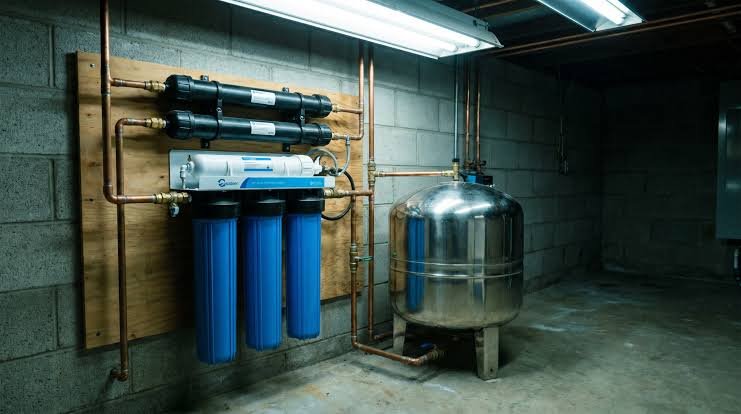
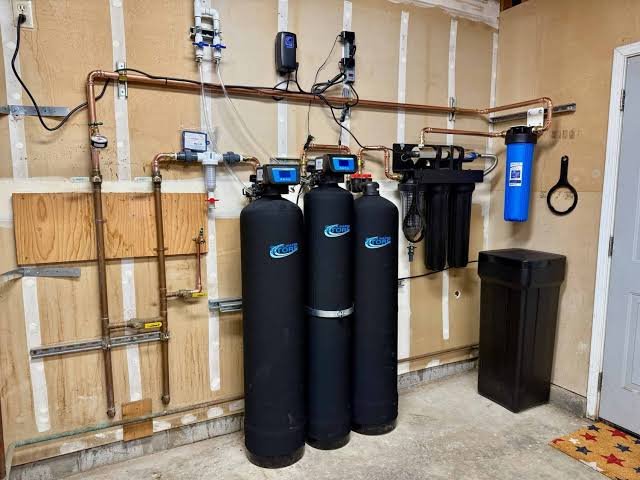
Whole-home systems are installed where water enters the house, allowing treated water to flow to showers, washing machines, bathroom taps, and other connected fixtures. Depending on the equipment, they may reduce sediment, chlorine, or other targeted substances. A softener may be installed separately when hardness is the main concern.
Think about how the problem affects your daily routine. If mineral scale appears on nearly every bathroom fixture, a softener could be worth investigating. If the primary complaint is the taste of drinking water, a certified kitchen filtration unit might offer a simpler and less expensive solution.
Water pressure and flow rate deserve attention as well. A treatment system that’s too small for a busy household may struggle when several taps or appliances operate at once. Before installation, check the system’s rated capacity, plumbing requirements, maintenance schedule, and compatibility with your existing setup.
Choosing Water Filtration That Matches Your Needs
The phrase water filtration covers a wide range of products, from basic pitcher filters to advanced multi-stage systems. The important question isn’t how many stages a product has, but what those stages are designed to remove.
Start by looking at the manufacturer’s performance claims and relevant independent certifications. NSF and ANSI standards, for example, cover different aspects of drinking water treatment products. Certification to a particular standard does not mean a filter removes every contaminant, so check the specific substances for which its performance has been verified.
Capacity is another practical consideration. A small cartridge might work well for a couple but require frequent replacement in a larger household. Replacement filters should be readily available and reasonably priced, otherwise the system can become expensive to maintain.
Installation requirements vary, too. Some filters attach directly to a faucet, while others require under-sink plumbing modifications or a dedicated drinking water tap. If you’re considering a whole-house installation, professional advice can help ensure the equipment is correctly sized and connected.
Avoid relying on broad claims such as “removes everything” or “makes all water completely safe.” Effective treatment depends on the contaminants involved, the equipment’s capabilities, and whether it is maintained according to the manufacturer’s instructions.
Maintenance Makes a Real Difference
Installing a treatment system is only part of the process. Filters gradually become exhausted, softeners need regeneration, and certain components require inspection or replacement. Neglecting maintenance can reduce performance and, in some circumstances, create additional water quality concerns.
Keep a record of installation dates, filter changes, service visits, and test results. Follow the manufacturer’s instructions rather than waiting until water taste changes or pressure drops. If the system treats a specific contaminant, periodic testing may be appropriate to confirm that it continues to perform as intended.
It’s also sensible to ask your supplier about ongoing service costs before making a purchase. A slightly more expensive system with affordable replacement parts may prove more economical over several years than a cheaper unit with costly proprietary cartridges.
Make a Confident Decision About Your Water
Improving water quality doesn’t have to be complicated. Begin with the concerns you have noticed, arrange appropriate testing, and use the results to determine which treatment options make sense for your household.
Some homes need nothing more than a simple filter. Others may benefit from a softener, reverse osmosis unit, or carefully designed combination of technologies. The right answer depends on the water itself, your household’s needs, and your budget.
Most importantly, choose solutions that address verified problems rather than promises made in advertisements. With reliable information, suitable equipment, and consistent maintenance, you can make a practical investment in cleaner water and greater peace of mind for the people who depend on it every day.