Most people don’t think much about their plumbing until something goes wrong. A kitchen sink drains a little slower than usual, the bathroom faucet starts dripping overnight, or an unpleasant smell appears near a floor drain. These things might not seem urgent, especially when life is already busy. Still, small plumbing issues have a habit of turning into expensive repairs when they’re ignored for too long.
A well-maintained plumbing system does more than deliver clean water and carry wastewater away. It protects your property, supports everyday hygiene, and helps prevent unnecessary water waste. Understanding a few common plumbing concerns can make it easier to recognize warning signs, know when to act, and decide when professional help is worth calling.
Understanding the Importance of Clean, Safe Water
Clean water is something most households take for granted. We use it for drinking, cooking, bathing, washing clothes, and countless other everyday tasks. But the safety of your water supply depends on more than what comes out of the tap. The plumbing system connecting your property to the water source also plays an important role.
One issue homeowners should understand is backflow, which occurs when water moves in the opposite direction from its intended flow. Under certain conditions, contaminated water can enter a clean water supply, potentially introducing chemicals, bacteria, or other unwanted substances.
This problem can develop when water pressure drops unexpectedly or when pressure in another part of the system becomes greater than the pressure in the supply line. Garden hoses submerged in buckets, irrigation equipment, and certain commercial plumbing connections can create contamination risks if appropriate safeguards aren’t installed.
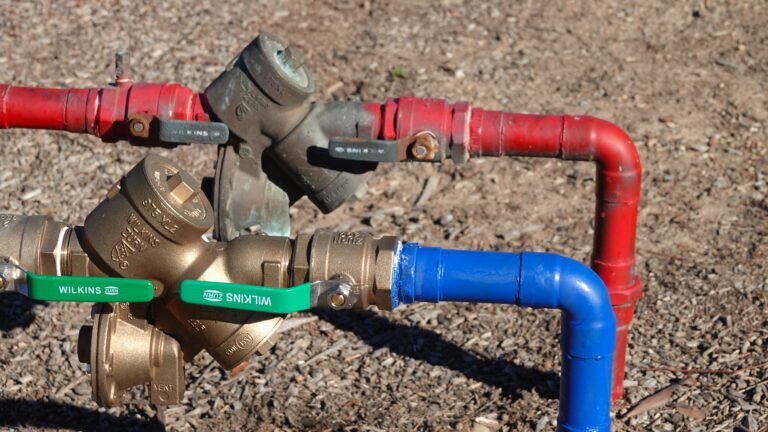
Backflow prevention devices help reduce these risks by allowing water to move in the correct direction while protecting the potable water supply. Depending on the property’s plumbing arrangement and local regulations, a suitable device may be required.
Homeowners shouldn’t assume that clear water is automatically safe. If you notice unusual discoloration, an unexpected odor, or a sudden change in water quality, contact your water supplier or a qualified plumbing professional for advice. Water testing may be necessary to determine what’s happening.
Why Drain Problems Deserve Early Attention
A slow drain is one of those household annoyances that’s easy to put off. You finish washing the dishes, notice water sitting in the sink, and promise yourself you’ll deal with it later. Then the same thing happens the next day.
Unfortunately, recurring blockages rarely disappear on their own.
Kitchen drains commonly collect grease, food particles, and soap residue. Bathroom drains often become clogged with hair, toothpaste, and personal care products. Over time, this material can accumulate along the inside of pipes, restricting the flow of water.
Routine drain cleaning helps remove buildup before it develops into a stubborn blockage. For minor clogs, a plunger or a suitable drain-cleaning tool may be enough. Regularly removing visible debris from drain covers also helps, particularly in showers and bathroom sinks.
Be careful with chemical cleaners, though. Some contain corrosive ingredients that can damage certain pipes or create dangerous conditions when mixed with other household products. If a blockage keeps returning, repeatedly pouring chemicals down the drain isn’t a reliable long-term solution.
A professional plumber can investigate the cause and select an appropriate cleaning method. In some situations, a drain camera may be used to identify tree roots, damaged pipe sections, or other obstructions hidden underground.
Pay attention to several drains becoming slow at the same time. When toilets, sinks, and showers begin having problems together, the issue may involve the main drainage line rather than an individual fixture. Getting it checked promptly can prevent a much messier situation.
Recognizing the Signs of Hidden Plumbing Leaks
Not every leak announces itself with a puddle on the floor. Some develop quietly behind walls, beneath kitchen cabinets, or under concrete flooring. By the time the damage becomes visible, moisture may already have affected paint, wood, insulation, or other building materials.
A few warning signs are worth remembering. Look for damp patches, peeling paint, unexplained musty smells, warped flooring, and water bills that rise without an obvious reason. You might also hear water running when every faucet and appliance is switched off.
A simple meter check can sometimes help. Turn off water-using appliances and faucets, then observe the water meter if your system allows it. Continued movement may indicate a leak, although some plumbing arrangements require additional checks to confirm the cause.
Professional leak detection equipment can help locate concealed problems while reducing the need to open walls or floors unnecessarily. Depending on the circumstances, a plumber might use acoustic devices, moisture meters, thermal imaging, or pressure testing.
The important thing is not to wait until the damage becomes obvious. A small leak may waste considerable water over time, and prolonged dampness can create conditions that encourage mold growth. If a leak is suspected, investigate early and arrange repairs before the affected area becomes more expensive to restore.
Knowing When a Plumbing Emergency Cannot Wait
Some plumbing issues can wait until the next convenient appointment. Others need immediate attention.
A burst pipe, sewage backing up into a bathroom, a major leak near electrical equipment, or a complete loss of water associated with a serious plumbing fault can quickly disrupt a household. In these situations, knowing what to do during the first few minutes can make a meaningful difference.
Reliable emergency services can help address urgent plumbing problems, limit water damage, and restore essential systems. When choosing an emergency plumber, look for clear communication, relevant qualifications, and a willingness to explain the immediate repair and any additional work that may be necessary.
While waiting for assistance, turn off the main water supply if you can reach the shutoff valve safely. Move valuables away from affected areas when practical, and avoid using plumbing fixtures connected to a blocked or overflowing drainage system.
If water is near electrical outlets, appliances, or a flooded electrical panel, keep away from the affected area. Don’t step into standing water where electrical hazards may be present. Contact the appropriate emergency professionals if there’s a risk to personal safety.
It’s also sensible to keep a plumber’s number handy before a problem occurs. Searching for help while water spreads across the floor is hardly ideal.
Everyday Habits That Keep Plumbing in Better Shape
Preventive maintenance doesn’t have to be complicated or expensive. A few small habits can reduce the likelihood of common plumbing problems and help you spot developing issues earlier.
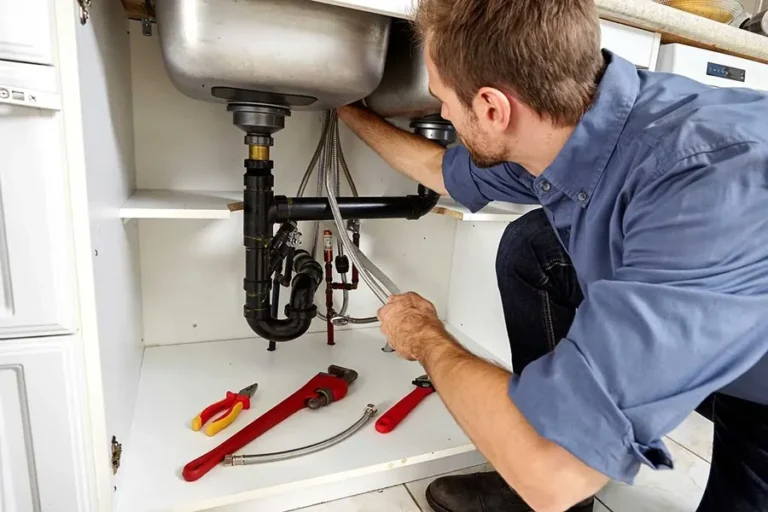
Start by checking under sinks every few weeks. Look for moisture around connections, corrosion on visible pipes, or a cabinet base that feels unusually damp. Fix dripping faucets promptly, since even a small leak can waste water over time.
Be thoughtful about what goes down your drains. Cooking grease belongs in a suitable waste container, not the kitchen sink. Wipes labeled as flushable can still contribute to sewer blockages, so placing them in the bin is generally the safer choice. In bathrooms, inexpensive drain screens can catch hair before it enters the pipes.
It’s worth learning how your home’s plumbing is arranged, too. Find the main shutoff valve, understand how individual fixture valves work, and keep an eye on water pressure if you notice unusual changes.
Annual inspections may be useful for older homes, properties with a history of leaks, or buildings with complex plumbing systems. The ideal maintenance schedule depends on the age and condition of the equipment, the water quality, and the manufacturer’s recommendations.
Making Smarter Decisions About Plumbing Repairs
When a plumbing problem appears, the cheapest immediate fix isn’t always the most economical choice. A temporary repair may be reasonable in certain circumstances, but recurring failures often suggest that the underlying cause hasn’t been addressed.
Ask a plumber to explain the problem in straightforward language. Find out which repairs are essential, whether alternatives exist, and what maintenance could prevent the issue from returning. For substantial work, requesting a written estimate can help you understand the expected costs before agreeing to the job.
A dependable professional should focus on solving the problem, not creating unnecessary anxiety about your home’s plumbing.
A Little Attention Goes a Long Way
Plumbing rarely gets much appreciation when everything works as it should. Yet the system quietly supports almost every part of daily life, from preparing breakfast to taking a relaxing shower at the end of a long day.
Recognizing early warning signs, protecting your water supply, maintaining your drains, and responding sensibly to leaks can help you avoid many preventable problems. And when a repair goes beyond your experience, calling a qualified plumber is often the safest and most practical decision.
You don’t need to become a plumbing expert to look after your home. A little awareness, a few sensible habits, and timely professional assistance can keep your water systems dependable for years to come.