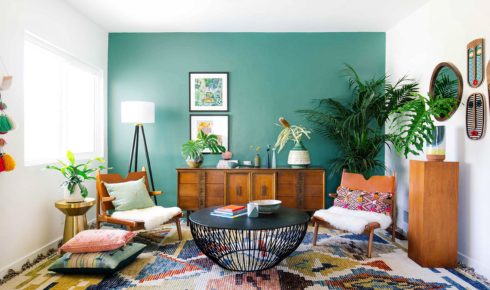
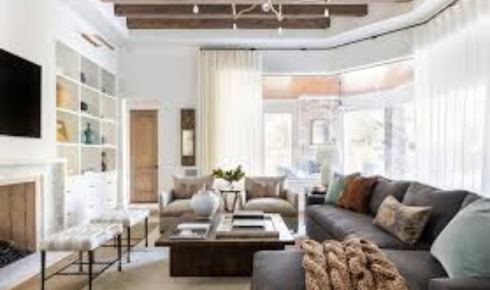
Staging a house is not about hiding flaws. It is about directing attention. The moment a buyer opens your listing photos, their eyes begin a rapid scan. They notice light, space, cleanliness, and—whether they realize it or not—hardware. They notice the small, attached details that make a home feel either cared for or neglected. This is why the most successful pre-staging strategy is not a full remodel. It is a series of smart swaps.
Before you bring in the rented sofa, the neutral artwork, and the fresh white towels, you need to walk through your home and ask a simple question: What can I swap out that will make the biggest visual difference for the least amount of money? The answer is almost always the same. It is the fixtures, the finishes, and the forgotten details. It is the old switch plates, the dated doorknobs, the worn faucets, and the HVAC hardware that has been quietly collecting dust for years.
This guide will walk you through exactly what to swap out before you stage a house. You do not need a contractor. You do not need a massive budget. You need a screwdriver, a measuring tape, and an eye for the details that cameras love to magnify.
The Philosophy of the Pre-Stage Swap
Staging is expensive. Swapping is cheap. When you stage a house, you are creating a fantasy of a lifestyle. You want buyers to imagine themselves cooking in the kitchen, relaxing in the living room, and sleeping peacefully in the bedroom. But if the kitchen faucet is dripping and corroded, or the bedroom ceiling has a rusty, dusty grille, the fantasy breaks.
The pre-stage swap is about removing friction. Every outdated or dirty fixture creates a tiny moment of friction in the buyer’s mind. It makes them wonder, What else has been neglected? If the seller did not care enough to replace a ten-dollar vent cover, did they care enough to service the furnace? If the switch plates are yellowed and cracked, what does that say about the rest of the maintenance?
The goal is to eliminate those questions. You want the buyer to feel that the home is turnkey. You want them to believe that they can move in and start living without a to-do list. Swapping out small items is the fastest way to create that feeling.
Start with the HVAC Hardware
The first place to look is the HVAC hardware. Vents & Covers are the most overlooked details in any home. We walk past them every day. We never look up at the ceiling grilles. We never notice the floor registers until we are lying on the floor. But photographers notice them. Cameras capture them. And buyers, when they see a high-resolution photo of a room, will notice them too.
Old grilles are often painted over, bent, rusted, or coated in a thick layer of dust. They are visual clutter. They make a room look tired. Swapping them out for clean, white, modern covers is a simple job that takes minutes. You unscrew the old one, vacuum the duct opening, and screw in the new one. The difference is immediate. The room looks brighter, cleaner, and more modern.
For a large return grille mounted on a hallway or living room wall, look for Vent Covers for Wall in a finish that matches your trim. If your walls are white, choose a white grille. If you have dark wood trim, consider a grille that blends in or a decorative one that makes a statement. The goal is to make the hardware disappear or to make it look intentional. Either way, it should not look like an afterthought.
Old Ceiling Registers are often yellowed and dusty, and they are one of the first things a wide-angle real estate lens captures. A professional photographer will angle the camera upward to make the room look larger. That angle puts your overhead grilles front and center. If they are dirty or dated, they will draw the eye away from the beautiful crown molding and toward the grime. Swap them for clean, modern versions, and the whole room will feel fresher.
How to Swap HVAC Hardware Correctly
Swapping this hardware is a beginner-level DIY task, but you still need to do it correctly. Here is the process:
- Turn off your HVAC system. You do not want dust blowing into the room while you work.
- Remove the old cover. Use a screwdriver. Be careful not to strip the screws. If they are painted over, score the paint with a utility knife first.
- Clean the opening. This is the most important step. Vacuum the duct opening. Wipe down the surrounding drywall or floor.
- Measure the opening. Measure the width and height of the duct opening, not the old cover. Grilles are sized by the duct opening.
- Buy the new cover. You can find modern options at any hardware store or online. White is always safe. Brushed nickel works in modern homes. Wood finishes work in traditional homes.
- Install the new cover. Screw it in. Do not overtighten. Make sure the louvers are angled correctly for airflow.
- Repeat for every grille in the house. This includes the laundry room, the bathrooms, and the hallways.
The cost is minimal. A standard cover costs between ten and twenty dollars. A large return grille might cost thirty to fifty dollars. For a few hundred dollars, you can replace every one in your home. That is a fraction of the cost of a remodel, but the visual impact is enormous.
Swap Out Switch Plates and Outlet Covers
After the HVAC hardware, the next thing buyers notice is the walls. But they do not just notice the paint color. They notice the switch plates. Old switch plates are often yellowed, cracked, or painted over. They are a sign of age. Swapping them out for new, white, screwless plates is one of the cheapest upgrades you can make.
Screwless plates are particularly effective. They have a clean, modern look that hides the screws. They cost a few dollars each. If you have a large home, this might cost you one hundred to two hundred dollars, but it will make every room look fresher. Make sure you turn off the power at the breaker before you swap them. It is a simple job, but safety comes first.
Swap Out Light Fixtures
You do not need to replace every light fixture in the house. But you should replace the ones that are dated, broken, or ugly. The most common offenders are the basic dome lights in hallways and bedrooms, the brass chandeliers from the 1980s, and the vanity lights in the bathrooms.
Swapping a light fixture is a little more involved than swapping a vent cover, but it is still a beginner-to-intermediate DIY task. If you are not comfortable working with electricity, hire a handyman. The cost of a new fixture is often less than fifty dollars. A simple flush-mount ceiling light can transform a hallway. A new vanity light can make a bathroom feel like a spa.
When you swap fixtures, make sure the finish is consistent. If you have brushed nickel in the kitchen, do not put a brass fixture in the dining room. Consistency creates a sense of quality.
Swap Out Door and Cabinet Hardware
Hardware is jewelry for your home. It is the first thing you touch when you open a door or a drawer. Old, tarnished, or mismatched hardware makes a home feel dated. Swapping out doorknobs, hinges, and cabinet pulls is one of the fastest ways to modernize a space.
Choose a finish and stick with it. Matte black is trendy and modern. Satin nickel is classic and safe. Champagne bronze is warm and elegant. If you are swapping cabinet pulls, measure the distance between the screw holes before you buy. You want to avoid drilling new holes. If you have to drill new holes, use a template to keep them straight.
This is also a good time to swap out your door hinges. If your hinges are painted over or rusty, new hinges will make the doors feel new. It is a small detail, but it contributes to the overall feeling of quality.
Swap Out Faucets and Showerheads
A dated faucet can ruin the look of a kitchen or bathroom. You do not need to replace the sink or the countertop. You just need to swap the faucet. A new faucet with a brushed nickel or matte black finish can make a builder-grade sink look custom.
The same goes for showerheads. Old showerheads are often clogged with mineral deposits. They look bad and they perform poorly. A new showerhead is inexpensive and easy to install. It makes the shower feel more luxurious, which is exactly what you want buyers to feel when they look at the photos.
When you swap a faucet, be sure to use plumber’s tape on the threads to prevent leaks. If you are not comfortable with plumbing, hire a professional. A leaking faucet is worse than an ugly one.
Swap Out Window Treatments
Window treatments are a double-edged sword. They can add warmth and privacy, or they can make a room feel dark and dated. Before you stage, swap out heavy drapes, old valances, and dusty blinds.
The goal is to let in as much natural light as possible. Light is the most important element in real estate photography. If your windows are covered with heavy, dark curtains, the room will look small and gloomy. Swap them for light, airy curtains. Linen or sheer curtains are perfect. They diffuse the light and make the room feel soft and inviting.
If you need blinds, choose simple two-inch faux wood blinds in white. Avoid vertical blinds if possible. They are dated and they photograph poorly. If you have a valance, remove it. Valances cut the height of the room and make the windows look smaller.
Swap Out Bedding and Bath Textiles
Staging a bedroom is about creating a sanctuary. The easiest way to do that is to swap out your bedding for a crisp, white, hotel-style set. White bedding photographs beautifully. It reflects light and makes the room feel clean and spacious.
Swap out busy patterns, heavy quilts, and old pillows. Add a simple throw blanket at the foot of the bed for texture. In the bathroom, swap out your old towels for new, white towels. Fold them neatly. Remove any personal toiletries from the shower and the counter. You want the bathroom to look like a spa, not a locker room.
Swap Out Rugs, Art, and Accessories
Rugs and art are the finishing touches that can make or break a staged home. If your rugs are worn, stained, or brightly colored, consider swapping them for neutral, clean rugs. A jute or sisal rug adds texture without dominating the room. A simple wool rug in a neutral tone adds warmth.
Art should be abstract or neutral. Remove personal photos and family portraits. You want buyers to imagine their own family in the home, not yours. Swap out quirky accessories for simple, classic pieces. A bowl of green apples, a vase of fresh branches, and a stack of neutral books are all you need.
Swap Out Small Appliances and Countertop Clutter
Kitchen counters should be almost empty. Swap out your old coffee maker, toaster, and blender. Store them in a cabinet or the garage. You want the counter to look like a blank canvas. A single bowl of fruit or a small plant is enough.
If you have old, mismatched small appliances that you use every day, consider storing them during the staging period. It is a small inconvenience for a big payoff. The same goes for the bathroom. Remove the hair dryer, the straightener, and the makeup. You want the bathroom to look like a hotel, not a personal vanity.
Remove Pet and Kid Gear
This is not a swap, but it is a removal. Before you stage, remove all pet bowls, litter boxes, pet beds, and toys. Not everyone loves animals. Pet items can create odors and visual clutter. The same goes for children’s toys. You do not need to hide the fact that you have a family, but you do need to minimize the chaos. A few neatly stored toys are fine. A pile of toys in the living room is not.
The Exterior Swaps
Do not forget the outside. The exterior photo is the handshake of your listing. Swap out your old house numbers, mailbox, porch light, and door hardware. These are small details, but they make a big difference.
If your house numbers are old and rusty, swap them for modern, brushed nickel numbers. If your porch light is dated, swap it for a simple, classic lantern. If your doorknob is tarnished, swap it for a new one. These swaps are inexpensive and they instantly improve your curb appeal.
Also, check your exterior vents. Dryer vents and exhaust vents can get clogged and dirty. Make sure they are clean and in good condition. A clean exterior vent is a sign of a well-maintained home.
What NOT to Swap
While swapping is powerful, there are some things you should not swap. Do not swap out major appliances unless they are broken or extremely dated. A new refrigerator is a big expense, and it may not be worth it if the buyer is going to replace it anyway. Do not swap out flooring or countertops. That is a remodel, not a swap. Do not paint over vent covers. That makes them look worse. And do not cover vents with furniture. You need proper airflow for the HVAC system to work efficiently.
The Staging Day Checklist for HVAC Hardware
Before the photographer arrives, do a final walkthrough. Pay special attention to the grilles and covers. Here is a quick checklist:
- Are all overhead grilles clean and dust-free?
- Are all wall grilles securely attached and free of cobwebs?
- Are the floor registers clean and free of debris?
- Do all the covers match in finish and style?
- Are the screws all tight and painted to match?
- Is the HVAC system turned off so the vents are not blowing dust?
If you can answer yes to all of these, your HVAC hardware is ready for its close-up.
Conclusion: Small Swaps, Big Results
Staging a house does not have to be a stressful, expensive ordeal. You do not need a full remodel. You need a strategy. You need to focus on the details that cameras love and buyers notice. By swapping out old HVAC covers, upgrading your wall grilles, and replacing dated overhead rgisters, you are telling a story. You are telling buyers that this home is clean, modern, and well-maintained.
The same goes for switch plates, light fixtures, hardware, faucets, and textiles. Every swap you make is an investment in the perceived value of your home. It is a small change that creates a big impression. So before you bring in the stager, bring in your screwdriver. Walk through your home room by room. Look up at the ceiling. Look down at the floor. Look at the walls. What can you swap? The answer might surprise you. And the results will definitely impress.