Clean Water Starts Before the Glass
Most people judge water by how it looks. If it is clear, they assume it is fine. And honestly, that is a natural reaction. Nobody wants to overthink every glass of water they drink.
But water quality is not always visible. Tiny particles, chemical traces, minerals, and unwanted tastes can be present even when water looks perfectly normal. That is why modern filtration systems are designed in stages. Each stage has a job, and together they help produce cleaner, better-tasting water for everyday use.
The beauty of a good system is that it works quietly in the background. No drama, no complicated routine. You turn on the tap, fill a glass, and get water that feels more dependable.
Why Filtration Usually Happens in Stages
A single filter can only do so much. Water may contain different types of impurities, and each one needs a different approach. Some particles are large enough to be physically trapped. Others need adsorption, pressure-based separation, or more advanced treatment.
That is why many home water systems use a layered design. Instead of asking one filter to handle everything, the water passes through multiple stages. One stage may protect the system. Another improves taste. Another targets smaller dissolved substances.
It is a bit like cleaning a dusty room. You do not polish the table before sweeping the floor. There is an order that makes the whole process work better.
The First Line of Defence
In many systems, sediment pre-filters are the first stage. Their job is simple but important: they help catch visible or suspended particles such as sand, dirt, rust flakes, and other debris that may travel through pipes.
This stage is not always glamorous, but it matters. Sediment can clog equipment, reduce flow, and make later filtration stages work harder than they should. By removing larger particles early, the system can perform more efficiently and last longer.
Homes with older plumbing or well water often benefit from this stage because sediment levels can vary throughout the year. After heavy rain, construction nearby, or changes in water pressure, particles may appear more often than expected.
The Taste and Odor Difference
After the larger particles are handled, many systems move into the stage that people usually notice most: taste improvement.
This is where carbon filtration plays an important role. Carbon filters are commonly used to reduce unpleasant tastes and odors, including the chlorine-like smell that some tap water carries. They can make water feel fresher, softer on the tongue, and more enjoyable for drinking.
If you have ever made coffee with filtered water and thought it tasted smoother, this may be why. Water is not just a background ingredient. It changes the flavour of tea, soup, pasta, ice, and almost everything made in the kitchen.
For many families, this taste improvement is what finally helps them stop buying bottled water every week.
The Heart of Reverse Osmosis
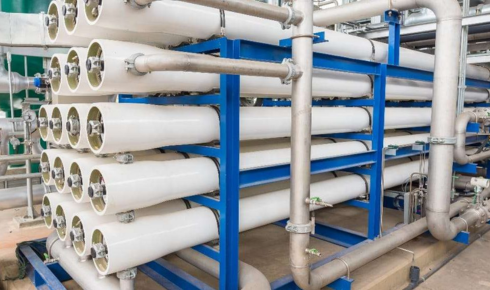
Some filtration systems go further by using reverse osmosis technology. This process forces water through a specialized membrane that can separate very small dissolved substances from the water supply.
The RO membrane is often considered the core stage of a reverse osmosis system. It works at a microscopic level, helping reduce many contaminants that ordinary filters may not fully address.
This stage is especially useful for homeowners who want a higher level of drinking water treatment. It can help improve confidence when water quality concerns include dissolved solids, certain metals, or other impurities that are not easy to remove through basic filtration alone.
Of course, performance depends on the quality of the system, the condition of the membrane, and proper maintenance.
Maintenance Matters More Than People Think
A water filtration system is not something you install and forget forever. Filters need to be replaced. Membranes have a service life. Connections should be checked. Water pressure and usage can also affect performance.
The good news is that maintenance is usually straightforward when the system is properly installed. Most homeowners simply follow a replacement schedule based on usage and water quality.
Skipping maintenance, however, can reduce flow, affect taste, and limit the system’s ability to do its job. A neglected filter is not much better than no filter at all.
That may sound obvious, but it is easy to forget. Water systems do their work quietly, so they are often ignored until something tastes wrong.
Choosing the Right Setup for Your Home
Not every home needs the same filtration system. A household using city water may have different concerns than a home using a private well. Some people mostly want better taste. Others are concerned about sediment, minerals, metals, or specific contaminants.
Before choosing equipment, water testing is a smart first step. It helps identify what is actually present, instead of relying on guesswork or marketing claims.
An under-sink reverse osmosis system may be ideal for drinking and cooking water. A whole-house filter may be better when sediment, odor, or water quality issues affect showers, laundry, and appliances too.
The right choice depends on the problem, not just the product.
Better Water Supports Better Habits
Clean, good-tasting water has a quiet way of changing daily routines. People drink more of it. Children are more likely to choose water over sugary drinks. Reusable bottles get filled before leaving the house. Cooking feels a bit more enjoyable.
It is not a huge lifestyle makeover. It is more practical than that.
When water tastes clean and looks clear, it becomes easier to trust. And when it is easy to trust, people use it more often.
Over time, a filtration system can also reduce reliance on bottled water. That means less plastic waste, fewer heavy packs from the store, and less clutter in the pantry or garage.
A Small System with a Big Daily Impact
Water filtration is not the flashiest home upgrade. It does not change the colour of the walls or make the kitchen look brand new. But it affects something used every single day.
From the first sediment stage to the final glass of clean drinking water, each part of the system has a purpose. Together, they help create water that tastes better, feels cleaner, and supports a healthier home routine.
And maybe that is the real value. Better water is not just about technology. It is about making everyday life feel a little more comfortable, one glass at a time.