Water is one of those things most businesses rely on every day but rarely think about until something goes wrong. From restaurants and hotels to manufacturing units, offices, and healthcare facilities, water plays a quiet but important role behind the scenes. When water quality drops, the effects can show up in unexpected ways — damaged equipment, unhappy customers, higher maintenance costs, and even concerns about safety.
Clean, reliable water is not just a convenience anymore. It has become a basic requirement for businesses that want to operate smoothly and protect their reputation. Understanding how water quality affects daily operations can help business owners make smarter decisions before small issues turn into expensive problems.
The Hidden Impact of Poor Water Quality in Business Operations
Many business owners assume that if water looks clear, it must be safe and suitable. Unfortunately, that is not always true. Water can contain minerals, chemicals, bacteria, and other unwanted substances that are invisible to the eye.
For example, hard water may leave scale buildup inside pipes, boilers, dishwashers, and industrial equipment. Over time, this buildup reduces efficiency and increases energy consumption. In hospitality businesses, poor water quality can affect everything from coffee taste to laundry results. Guests may notice rough towels, spots on glassware, or unusual smells without knowing the actual cause.
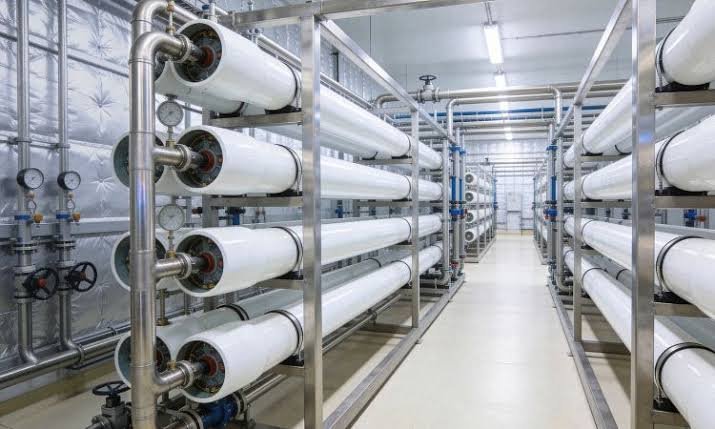
This is where commercial water treatment becomes valuable. These systems are designed to address specific water challenges faced by businesses, offering solutions such as filtration, softening, reverse osmosis, and contaminant removal. Instead of treating symptoms repeatedly, businesses can create a long-term approach to maintaining consistent water quality.
Choosing the Right Water Solution for Your Business Needs
Every business has different water requirements. A small office may only need basic filtration, while a hotel, restaurant, or industrial facility may require advanced treatment systems. There is no universal solution that works perfectly for everyone.
The first step is understanding the current condition of the water. Testing helps identify issues like hardness levels, mineral content, chlorine, iron, bacteria, or other contaminants. Once the problem is clear, selecting the right equipment becomes much easier.
A common mistake businesses make is purchasing a system based only on price. Cheaper equipment may not always provide the required performance or durability. Water treatment should be viewed as an investment that protects property, improves efficiency, and reduces future repair costs.
Why Expert Guidance Makes a Difference
Water systems are not something that should be installed without proper planning. Incorrect sizing, poor placement, or improper connections can reduce system performance and create additional problems later.
Working with trained professionals ensures that the solution matches the actual needs of the property. Experienced technicians evaluate water usage, inspect existing plumbing, and recommend equipment that fits the business environment.
A professional installation also helps prevent common issues such as leaks, pressure problems, and inefficient operation. When the system is installed correctly from the beginning, businesses can enjoy better performance and fewer interruptions. It is similar to investing in quality machinery — the installation process often determines how well the equipment performs over time.
Improving Customer Experience Through Better Water
For many businesses, water quality directly influences customer satisfaction. Restaurants depend on clean water for cooking, beverages, and food preparation. Hotels need reliable water for guest rooms, laundry services, and cleaning operations. Even fitness centers and wellness facilities rely on quality water to maintain customer trust.
People may not always comment on good water quality, but they definitely notice when something feels wrong. A strange taste in drinking water or visible residue on fixtures can create doubts about cleanliness.
Maintaining excellent water standards shows customers that a business pays attention to details. Sometimes, those small details are what separate an average experience from a memorable one.
Regular Maintenance Keeps Water Systems Working Efficiently
Installing a treatment system is only the beginning. Like any important equipment, water systems require regular care. Filters need replacement, components need inspection, and performance should be monitored over time.
Ignoring maintenance can reduce efficiency and allow problems to return. A well-maintained system works better, lasts longer, and provides more consistent results.
Partnering with water quality experts can make ongoing management easier. These professionals can monitor system performance, identify early warning signs, and recommend adjustments when business needs change. This proactive approach often saves money because it prevents major failures and unexpected downtime.
A Smarter Future Starts With Better Water Decisions
Water quality may not always be the first thing businesses consider when planning improvements, but it deserves attention. Reliable water supports healthier environments, protects expensive equipment, and helps businesses maintain professional standards.
As industries become more focused on efficiency, sustainability, and customer experience, investing in better water solutions is becoming a practical choice rather than an optional upgrade.
The right approach starts with understanding your water challenges, choosing suitable technology, and working with experienced professionals who can provide dependable support. Good water quality is not just about what comes out of a tap — it is about creating a safer, cleaner, and more efficient business environment for everyone.