Most people don’t think too much about the water running through their house. It comes out of the tap, fills the kettle, rinses the dishes, runs the shower, and disappears down the drain. Simple enough, right? But water has a funny way of leaving clues behind. A cloudy glass here, a chalky ring around the faucet there, maybe a showerhead that doesn’t spray like it used to. Small things, easy to ignore at first.
Then one day, you’re scrubbing the same white marks off the sink for the third time that week, and you start wondering what’s actually going on.
In many homes, the answer is hard water. It isn’t usually dangerous in the dramatic sense. It won’t announce itself with a big warning sign. But it can quietly affect plumbing, appliances, cleaning, bathing, and even how your home feels day to day. And once you notice it, it’s hard to unsee.
What Hard Water Really Means
Hard water is simply water that contains higher levels of dissolved minerals, mainly calcium and magnesium. These minerals come from the ground as water moves through rock, soil, and underground layers before reaching your home. In some areas, this is completely normal. In fact, plenty of households live with hard water for years without realizing it has a name.
The problem is not that the minerals are there. The problem is what they leave behind.
When hard water is heated, sprayed, or left to dry on surfaces, those minerals can separate from the water and stick around. That’s why glass shower doors look foggy even after cleaning. It’s why taps get crusty around the edges. It’s why kettles collect a pale, rough coating inside. These are not just cleaning problems. They’re signs of what your water is doing every single day.
Why the Signs Start Small
Hard water rarely causes a sudden issue overnight. It works slowly, almost politely, which is why many homeowners brush it off. A bit of residue on a faucet doesn’t seem like a big deal. Neither does a dishwasher leaving spots on plates. But over time, these little signs can point to bigger strain inside the home.
The visible marks are only part of the story. Inside appliances, the same process can happen where you can’t easily see it. Water heaters, washing machines, dishwashers, and coffee makers all rely on moving or heating water. If hard water keeps passing through them, scale can build up on heating elements and internal parts. That can make appliances work harder than they should.
And when appliances work harder, they often use more energy, wear out faster, or need repairs sooner. No one enjoys paying for a repair that could have been prevented with a little earlier attention.
The Everyday Frustration of Residue
One of the most annoying things about hard water is how it changes ordinary chores. Soap doesn’t lather as easily. Shampoo can feel like it’s not rinsing properly. Towels may turn stiff after washing. Dishes come out of the dishwasher with spots, even when you’ve used a decent detergent.
Those stubborn white marks are usually mineral deposits, and they’re the reason cleaning sometimes feels like a losing battle. You wipe the surface, it looks better for a day, and then the marks come back. It’s not because you’re cleaning wrong. It’s because the source of the problem is still flowing through the house.
This is where many homeowners start looking beyond basic cleaning products. Vinegar and descaling sprays can help remove buildup from surfaces, but they don’t stop it from returning. They treat the symptom, not the water itself.
How Hard Water Affects Plumbing
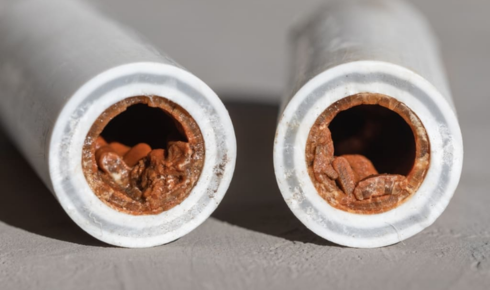
Plumbing is one of those things people prefer not to think about unless something goes wrong. Fair enough. Pipes are hidden, and as long as water flows, everything feels fine. But hard water can slowly leave scale inside plumbing lines, fittings, and fixtures.
At first, the change might be subtle. A showerhead loses pressure. A tap starts flowing unevenly. A washing machine takes longer to fill. These things can happen for different reasons, of course, but hard water is often part of the picture in areas with high mineral content.
Over enough time, buildup may contribute to clogged pipes, especially where water flow is already narrow or where scale has a chance to collect. That doesn’t mean every hard water home is heading for a plumbing emergency. But it does mean prevention is usually smarter, and cheaper, than waiting for a serious blockage.
Water Treatment Without the Old Assumptions
For years, many people assumed that dealing with hard water meant installing a traditional salt-based water softener. Those systems can be effective, but they’re not the only option anymore. Some homeowners want alternatives because of maintenance, space, water usage, or personal preference.
That’s where salt-free conditioners often enter the conversation. These systems don’t remove hardness minerals in the same way a conventional softener does. Instead, they are designed to change how minerals behave, helping reduce the way scale sticks to surfaces and equipment. For some homes, especially where the main concern is scale control rather than that silky “soft water” feel, this can be a practical choice.
Still, the right solution depends on the water itself. A proper water test can make the decision much easier. Guessing is tempting, but water quality varies from one area to another, and even from one house to the next.
Small Comforts Add Up
Cleaner taps. Better water flow. Less scrubbing. Longer-lasting appliances. These are not flashy benefits, but they matter. A home is made up of small routines, and water touches more of them than we realize.
Think about the first shower of the morning. The laundry you forgot in the machine. The coffee you make half-awake. The sink full of plates after dinner. When water quality improves, these ordinary moments become a little easier. Not perfect, maybe, but easier.
And that’s the real value of paying attention to hard water. It’s not about chasing some luxury upgrade. It’s about protecting the systems you already paid for, saving yourself unnecessary frustration, and making the home run more smoothly.
A Thoughtful Step Toward a Healthier Home
Hard water is easy to ignore until it starts costing time, money, or patience. By then, the signs have usually been around for a while. The cloudy glasses, the weak shower spray, the chalky buildup near fixtures — they’re all small messages from your water.
The good news is that you don’t have to figure it out blindly. Testing your water, understanding the level of hardness, and choosing the right treatment system can make a real difference. Whether your goal is to protect appliances, reduce scale, or simply spend less time scrubbing stubborn marks, taking action early is rarely something homeowners regret.
Water may seem ordinary, but it moves through nearly every corner of daily life. When it’s working better, the whole house quietly feels better too.