
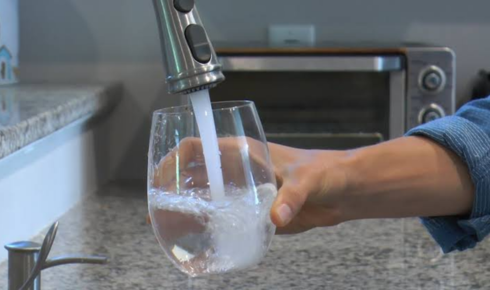
Most people don’t want to become experts in water treatment. They just want the water in their home to taste good, feel clean, and stop causing those small annoying problems that keep showing up. Cloudy glasses. Dry skin. Scale around faucets. Odd smells. Coffee that tastes a little off. Nothing dramatic maybe, but enough to notice.
Water is one of those everyday things we only question when something feels wrong. You turn on the tap dozens of times a day without thinking about it. Then one morning, the ice smells strange or the shower leaves your skin tight, and suddenly you’re wondering what’s actually coming through the pipes.
That’s where a practical, honest approach to home water care makes all the difference.
Why Clear Water Isn’t Always Perfect Water
Water can look perfectly fine and still carry minerals, chlorine taste, sediment, or other unwanted elements. This is especially true because water travels a long way before it reaches your sink. It may pass through treatment facilities, neighborhood lines, older pipes, or private well systems.
Sometimes the issue is taste. Sometimes it’s hardness. Sometimes it is residue, staining, or buildup that slowly affects appliances and fixtures. The tricky part is that these problems often overlap. A homeowner might think they need a drinking-water filter, when the bigger issue is hard water throughout the house.
That’s why guessing usually leads to frustration.
The Goal Is Better Daily Living
At the end of the day, most homeowners are not chasing fancy equipment or complicated technology. They want clean great-tasting water that works well for drinking, cooking, bathing, laundry, and cleaning. That sounds simple, and honestly, it should be.
Better water can make the whole home feel easier to manage. Coffee tastes fresher. Ice doesn’t carry strange odors. Soap rinses off better. Dishes look clearer. Towels may feel softer. Fixtures stay cleaner for longer. These are small comforts, sure, but small comforts matter when they are part of your daily routine.
Good water is not just about what you drink. It affects how your home feels.
Why It’s Smarter to Test Before Buying
The water treatment aisle, online ads, and sales pitches can get confusing fast. Every system sounds like the answer. Filters, softeners, reverse osmosis units, whole-home systems, cartridges, salt, carbon, membranes — it can feel like too much if you’re just trying to fix a real problem at home.
The smartest move is to test first before choosing any system. A water test can help identify hardness, chlorine, iron, sediment, pH concerns, or other issues depending on the source and testing method. Once the water is tested, recommendations become much more accurate.
It’s a bit like going to the doctor. You wouldn’t want treatment based only on a guess. Your water deserves the same common sense.
Every Home Has a Different Water Story
One house may deal mostly with hard water buildup. Another may have water that tastes heavily chlorinated. A private well could have iron stains or a sulfur-like smell. A newer home may still need filtration because the local water source has certain characteristics.
Even homes in the same town can have different needs. Plumbing age, water source, household size, and daily water use all matter. That is why one-size-fits-all solutions often disappoint. They may help a little, but they might not solve the main issue.
A good water plan starts with listening to the homeowner, testing the water, and understanding how the water is used every day.
Simple Advice Is Usually the Best Advice
Water treatment does not need to feel mysterious. Homeowners deserve guidance that is simple and transparent, without pressure or confusing technical language. If a system is recommended, it should be clear what problem it solves, how it works, what maintenance it needs, and what results the homeowner can realistically expect.
No one wants to buy equipment and then later realize it wasn’t meant for their actual issue. Clear communication saves time, money, and trust.
The right provider should be able to explain things in plain English. Not scare tactics. Not complicated charts that make your head hurt. Just honest answers.
Common Signs Your Water Needs Attention
You don’t need lab equipment to notice when water may be causing problems. Your home often gives clues.
White scale around faucets can point toward hard water. Brownish or reddish stains may suggest iron. A chlorine smell can make drinking water unpleasant. Cloudy dishes may come from mineral content. Dry skin and dull hair can be linked to water hardness. Low flow from fixtures may happen when sediment or scale builds up.
Of course, these signs do not always prove one exact issue. But they are good reasons to get the water checked instead of ignoring it.
Choosing the Right System Without Overdoing It
The best solution depends on the test results. Some homes may only need a drinking-water system under the kitchen sink. Others may benefit from a whole-home filtration setup. Some need a softener to handle hardness minerals. In many cases, a combination works best.
The goal is not to install the biggest system possible. The goal is to install the right system for the home.
That distinction matters. Overspending on unnecessary equipment is just as frustrating as under-treating the water and still having problems afterward.
Maintenance Should Be Easy to Understand
Any water system needs some care. Filters need changing. Softeners need salt. Reverse osmosis systems may need cartridge or membrane replacement. Whole-home systems may need scheduled service. None of this should be a surprise after installation.
A homeowner should know what maintenance is required from the beginning. When service is clear and predictable, the system is much easier to live with. It becomes part of normal home care, like changing an HVAC filter or cleaning the dryer vent.
Final Thoughts
Good water should not be stressful. It should not require guessing, overbuying, or sorting through confusing advice. It should begin with understanding what is in your water and choosing a solution that fits your home.
When the process is honest and practical, better water becomes simple. You notice it in the taste, the shower, the laundry, the dishes, and the quiet confidence of knowing your home’s water is being handled properly.
And that’s really the point. Water should support everyday life, not complicate it.