
Most homeowners don’t wake up thinking about water quality. There’s breakfast to make, emails to answer, laundry sitting in the basket, and maybe a dog waiting by the door with that “are we walking or what?” look. Water is just… there. You turn the tap, fill a glass, start the shower, rinse vegetables, make coffee. It becomes part of the background.
But every so often, something catches your attention. The water smells slightly like chlorine. The sink has a rusty ring that keeps coming back. Your skin feels dry after a shower, or the coffee tastes a little flat no matter which beans you buy. These small things are easy to brush off, but they may be hints that your home’s water deserves a closer look.
Clear Water Doesn’t Always Mean Perfect Water
One of the biggest misunderstandings about household water is that if it looks clear, it must be fine. Sometimes that’s true. Sometimes it isn’t. Many water concerns are invisible. Hardness minerals, chlorine, dissolved metals, sediment, and pH imbalance may not always show up clearly in a glass, but they can still affect your plumbing, appliances, taste, and comfort.
That’s why guessing rarely helps much. A homeowner might buy a basic filter pitcher because the water tastes odd, only to later learn the bigger issue is hard water. Someone else might assume stains are caused by old fixtures when iron in the water is actually the reason. Water problems can overlap, and the signs don’t always point neatly to one answer.
Why Testing Should Come Before Treatment
It’s tempting to jump straight to a solution. You see scale on a faucet, so you start researching softeners. You smell chlorine, so you look at carbon filters. There’s nothing wrong with learning, of course, but buying a system without testing is a bit like taking medicine before knowing what’s wrong.
A proper test helps reveal what is actually present in your water. It gives you a starting point that’s based on evidence, not guesswork. And in many homes, that small step can save money because it prevents you from buying equipment you don’t really need.
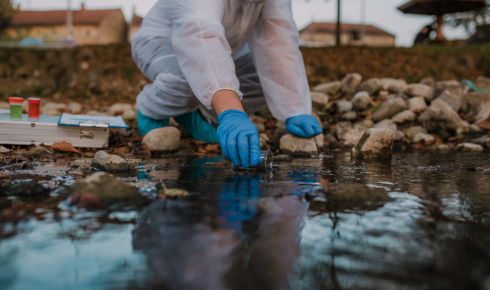
When trained expert technicians inspect and test your water, they can often connect the dots between what you’re noticing around the house and what the results show. That matters, because water quality isn’t just about numbers on a page. It’s about how those numbers affect daily life.
The Everyday Signs People Usually Ignore
Water issues tend to show up in ordinary, slightly annoying ways. Soap doesn’t lather well. Shower doors get cloudy. White spots appear on clean glasses. Laundry feels rough. Faucets collect chalky buildup. A water heater seems to struggle more than it should. These signs might not feel urgent, but over time, they can add up.
Hard water, for instance, can leave mineral scale inside pipes and appliances. That may reduce efficiency and shorten the life of equipment. Chlorine can make water smell unpleasant and affect the taste of drinks and food. Sediment may clog fixtures or make water appear dull. Iron can stain sinks, tubs, and laundry. None of these issues are fun to deal with, especially once they become routine.
What a Report Can Tell You
After testing, homeowners should receive information that is easy to understand. Not a confusing pile of technical words. Not a sales script. Just a clear explanation of what was found and what it means for the home.
A water analysis report can help show whether your water has hardness minerals, chlorine, iron, sediment, unusual pH levels, or other concerns. More importantly, it can guide the next step. Maybe your home only needs a drinking water filter. Maybe a whole-home system makes more sense. Maybe the issue is smaller than expected, which is always nice to hear.
Good reporting gives homeowners confidence. It helps them make decisions calmly instead of reacting to every stain, smell, or bit of buildup like it’s a mystery.
Not Every Home Needs the Same System
Two houses on the same street can have different water problems. That may sound odd, but it happens. Plumbing age, pipe material, household water usage, well water conditions, municipal treatment changes, and even local construction work can influence water quality.
This is why one-size-fits-all water treatment advice can be misleading. A softener may help one family tremendously but do very little for another home with taste and odor concerns. Reverse osmosis may be perfect for drinking water needs, while a sediment filter may be more useful where particles are the issue. Sometimes the best solution is a combination, but only if the test results support it.
The right recommendation should feel sensible. It should explain the problem, match the system to the water, and consider your household’s daily habits. Big family? Lots of laundry? Private well? Strong chlorine smell? These details matter.
A Low-Pressure Way to Start
Many people delay water testing because they worry it will turn into an uncomfortable sales appointment. Nobody wants to feel cornered in their own kitchen by someone pushing the most expensive option. Water treatment should not feel like that.
That’s why no obligation testing can be helpful. It gives homeowners a chance to learn about their water without feeling pressured to make an immediate decision. You get information first. Then you can decide what makes sense for your home, your budget, and your priorities.
Honestly, that approach feels more respectful. Water is personal. It affects your family, your home, and your comfort. A decision like that should be made with clarity, not pressure.
Better Water Makes Home Feel Better
Clean, well-balanced water doesn’t always announce itself dramatically. It’s quieter than that. Coffee tastes better. Showers feel nicer. Soap rinses properly. Appliances don’t fight against mineral buildup as much. Glasses come out cleaner. The home simply works a little smoother.
And that’s the point, really. Water treatment is not just about fixing a technical issue. It’s about improving the small daily moments that depend on water, which is nearly all of them.
If your water has started tasting strange, leaving stains, drying your skin, or causing buildup around the house, don’t ignore it forever. Start with testing. Learn what’s actually going on. From there, the right solution becomes much easier to see.
Good water begins with good information, and once you have that, you’re no longer guessing. You’re making a smart decision for your home.