There’s something oddly comforting about turning on the tap and knowing the water flowing out is clean, fresh, and ready to use. Most of us don’t think much about it until something changes. Maybe the water starts smelling like chlorine, leaves white spots on dishes, or simply tastes… off. Those little annoyances have a way of piling up, and before long you start wondering if your home’s water could be better.
The truth is, water quality varies from one neighbourhood to another, and even homes on the same street can have different experiences depending on plumbing, local infrastructure, and the source of the water. That’s why more homeowners are paying attention to what comes out of their taps instead of assuming every glass is the same.
Looking Beyond What You Can See
One of the biggest misconceptions about water is that if it looks clear, it’s perfectly fine. While clear water is certainly a good sign, appearance only tells part of the story. Minerals, chlorine, sediment, and other contaminants often remain invisible, quietly affecting taste, smell, appliances, and even skin comfort.
It’s a bit like judging a book by its cover. Everything may seem normal on the surface, but the real story is happening underneath. That’s why testing your home’s water is often the first step before deciding if any improvements are necessary.
Many homeowners are surprised by the results. Hard water, excessive chlorine, or naturally occurring minerals are far more common than people realize.
Why Water Quality Affects Everyday Life
Water touches nearly every part of your daily routine. You drink it, cook with it, shower in it, wash clothes, clean dishes, and water plants. When the quality isn’t ideal, those small issues begin showing up everywhere.
Soap doesn’t lather well. Towels feel rough after washing. Coffee tastes slightly bitter. Even your shower can leave your skin feeling dry.
Over time, mineral buildup can also shorten the lifespan of household appliances like washing machines, water heaters, and dishwashers. It’s not usually dramatic—it happens slowly enough that many people don’t connect the dots until repair bills start appearing.
Improving water quality isn’t simply about convenience. It often becomes a practical investment in protecting both your home and your daily comfort.
The Difference Good Filtration Can Make
People often notice taste first. After installing a filtration system, many describe the water as lighter, cleaner, and simply more enjoyable to drink. That subtle improvement usually encourages families to drink more water instead of reaching for bottled alternatives.
Having access to pure crisp water straight from the kitchen tap also reduces plastic waste and saves money over time. Instead of stocking cases of bottled water every week, you simply fill a reusable bottle before leaving the house.
It sounds simple, but those little habits add up. Less plastic, fewer shopping trips, and better hydration become part of everyday life without much effort.
Every Home Has Different Water Needs
No two water supplies are exactly alike. A home connected to municipal water may need help reducing chlorine, while a rural property using a private well might require different filtration methods altogether.
Family size also matters. A couple living in a small apartment has very different water usage compared to a household with children constantly running showers, washing clothes, and filling water bottles before school.
This is why professional water testing remains valuable. Rather than guessing, homeowners can choose systems based on actual water conditions instead of generic recommendations.
The best approach is always one that’s tailored rather than one-size-fits-all.
Choosing the Right water treatment solutions
There’s no shortage of filtration products available today. Walk into any home improvement store and you’ll find everything from countertop filters to advanced purification systems.
But selecting the right water treatment solutions isn’t about buying the most expensive equipment. It’s about matching the technology to your specific water quality concerns.
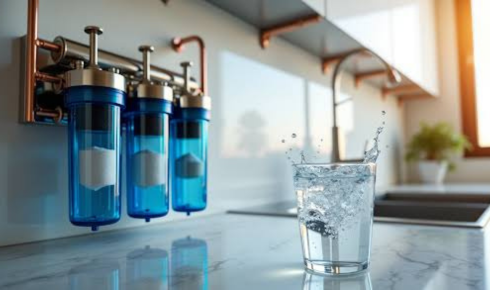
Some homes primarily benefit from sediment filtration. Others require activated carbon to reduce chlorine and unpleasant odours. In areas with particularly hard water, softening systems can dramatically reduce mineral buildup while improving cleaning performance throughout the house.
A thoughtful approach usually delivers better long-term results than simply chasing marketing claims.
Thinking Beyond the Kitchen Sink
Many people start by filtering drinking water, which certainly makes sense. But water doesn’t stop at the kitchen faucet.
Every shower, laundry cycle, and dishwasher load relies on the same household supply. That’s where whole house filtration becomes an appealing option for many homeowners.
Instead of treating water at a single tap, these systems work as water enters the home, helping improve quality throughout the entire plumbing system.
The benefits often extend beyond drinking water. Softer laundry, cleaner fixtures, reduced scale buildup, and more pleasant showers are all common reasons homeowners decide to upgrade.
It’s one of those improvements that quietly works in the background every single day.
Small Maintenance Makes a Big Difference
Like any household equipment, filtration systems perform best when they’re maintained properly.
Replacing filters on schedule helps ensure consistent performance and keeps water flowing efficiently. Fortunately, most modern systems are designed to make maintenance relatively straightforward, with many offering simple cartridge replacements or reminder indicators.
Ignoring maintenance doesn’t usually cause immediate problems, but performance gradually declines over time. Fresh filters simply do their job better.
Think of it like changing your car’s oil. A little attention today helps avoid bigger issues tomorrow.
Investing in Everyday Peace of Mind
Home improvements often focus on things people can immediately see—a fresh coat of paint, new flooring, updated lighting. Water quality rarely gets the same attention, even though it’s something every member of the household experiences countless times each day.
There’s a quiet confidence that comes from knowing your water is cleaner, better tasting, and more reliable for cooking, drinking, and everyday use. It’s not flashy, and it won’t necessarily impress visitors, but it improves daily life in surprisingly meaningful ways.
At the end of the day, good water isn’t really about technology. It’s about comfort, health, convenience, and making ordinary routines feel just a little better. Whether you’re filling a coffee pot early in the morning or pouring a glass after a long day, clean water becomes one of those simple luxuries you stop noticing—because it simply works exactly as it should.